
The Lost Art of Ceremony
- May 5
- 3 min read
Updated: May 14
Bringing Back the Magic
In the past, I’ve never been one to join a "women’s circle." To be honest, I used to wonder, if our goal is an integrative world, shouldn’t we avoid making spaces exclusive to one gender?
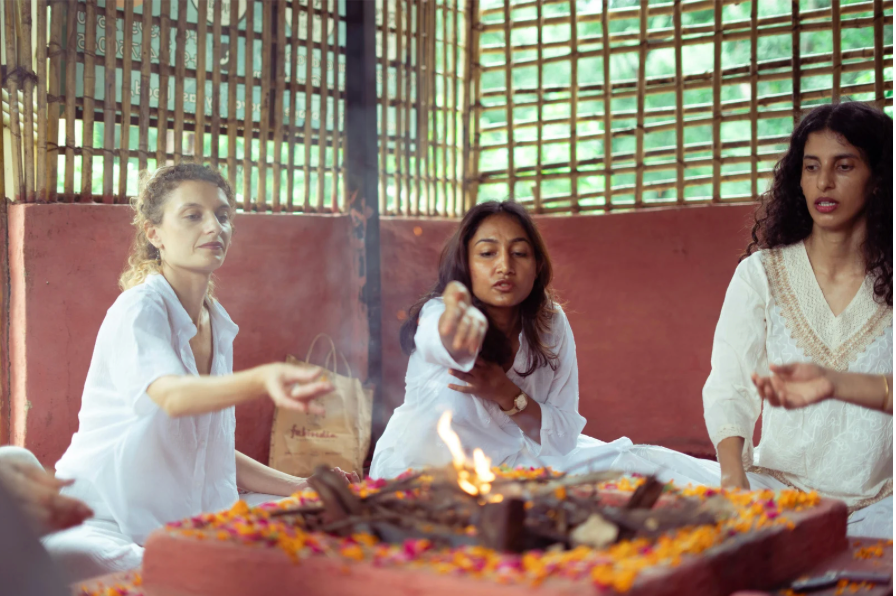
But since I’ve participated in various groups that bring people together at the health centre, my perspective has shifted. I see gatherings in circle and community differently. They aren't about exclusion, they are about shared experience. Whether it’s a common cause, a shared belief, or a specific life stage, there is something profound about sitting with people who truly understand
your experience. After all, who can support you through a transition better than someone who has walked a similar path? Seeing people come together and truly connect made me realise that we are starving for community, and ceremonies are an essential way to reconnect through that shared journey.
What is a Ceremony, Anyway?
We often think of ceremonies as grand, expensive affairs like weddings or graduations. But at its heart, a ceremony is simply the act of acknowledging that something is changing. It is about gratitude and the act of pausing to honour a transition, a sort of celebration that is a shared experience.
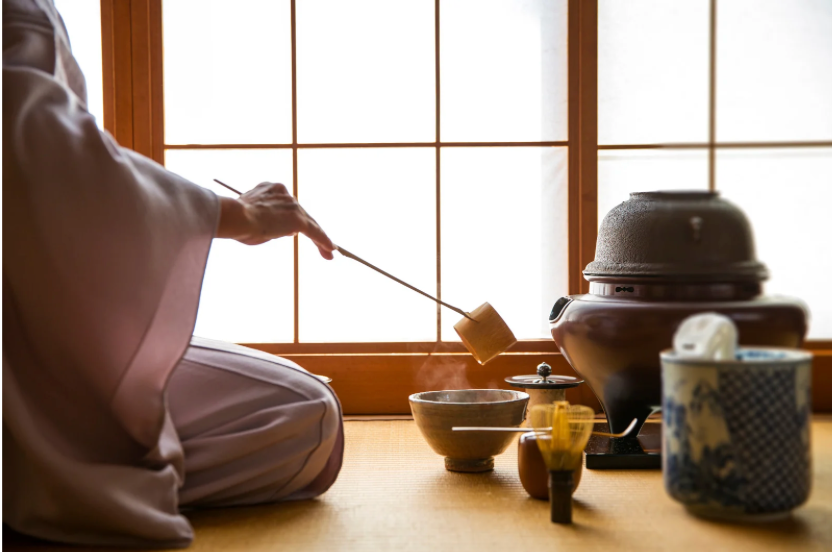
In contrast, rituals tend to be more personal and repetitive, like your morning routine. Take the Japanese tradition of food presentation, meals are laid out with such attention to detail that you almost don’t want to eat it! This elevates a daily necessity into a ritual, reminding us that every meal is a gift that nourishes the body. When we recognise the care put into the preparation and the act of sitting down together, the meal becomes a ceremony. It reminds us that being alive is special.
Marking the "Death and Rebirth"
In ancient cultures, ceremonies served as a bridge between the physical and the spiritual, marking

the "death and rebirth" inherent in change. When a girl became a woman, the shift was permanent - there was no going back. Similarly, people who move to a new country for a long period often feel they no longer belong to their past or their present. This feeling of one foot here and the other there, changes over time, but I wonder if a ceremony might help the move settle in a bit faster?
Taking the time to honor these transitions is vital. It creates space to acknowledge that big shifts are taking place, mentally preparing us to grow into our new roles. A ceremony helps us mourn the old while embracing the new as a gift.
Tips for Incorporating Ceremony
You don’t need to spend a lot of money to mark an occasion, though a few special touches can help set the mood.
Acknowledge the Journey: Take a moment to honor the synchronicities that led you to this
moment. Express gratitude for those who supported you along the way.
Keep it Simple: A ceremony can be as simple as lighting a candle and sitting in silence to contemplate a change.
Make it Meaningful: Ensure that whatever elements you include have personal significance to you.
Celebrate Change: Recognize that change is inevitable and usually shapes who we become. Embrace the challenges and look for the opportunities hidden within them.
Elevate the Mundane: Make your morning coffee a little more "special." Once a week, prepare a beautiful meal and encourage your family to notice the details. Help them see that the simple things are sacred.
Noticing the Magic
At its heart, ceremony is about gratitude. It is the act of pausing to honor life's milestones: a birth, a career transition, or even just a shared meal. When we stop to create a ceremony, we are really just saying "thank you" for the experience of being alive.
Ceremony can be an antidote to depression and a path back to ourselves. Let’s start becoming aware of inevitable life changes and making sure our children know that their transition into adulthood isn’t just an everyday occurrence, it’s a miracle to be celebrated.
Sandra Quist is a Homeopath and Shamanic Energy Medicine Woman. Part of her mission is to weave ritual and ceremony back into modern life, creating space for us to remember the gift of being alive. Through her practice, she honors "Pachamama" (Mother Earth) and invites others to reconnect with the abundant healing wisdom of the natural world.
Comments